
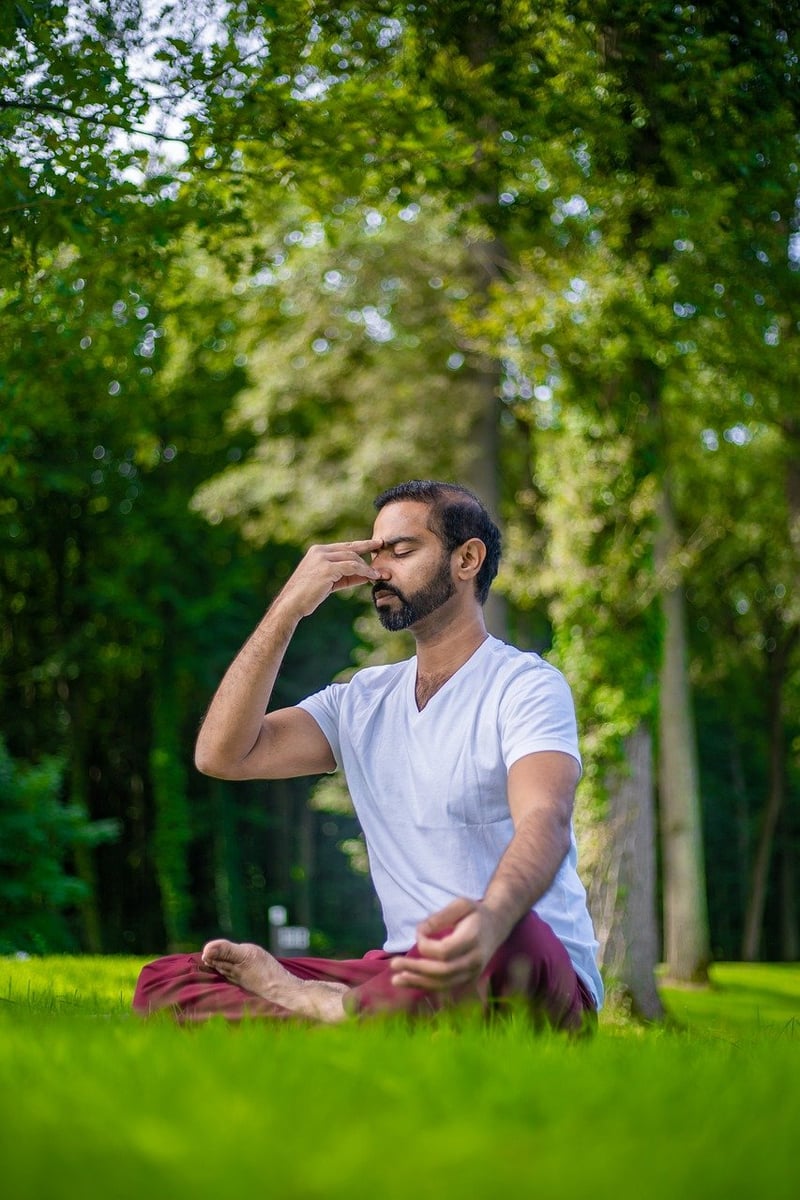
Breathing Exercises for Mindfulness + Kapalabhati Pranayama
Practicing breathing exercises is a powerful way to cultivate mindfulness and improve overall well-being. One such technique that stands out is Kapalabhati Pranayama, a breathing exercise that not only enhances mindfulness but also offers a range of physical and mental benefits.
Benefits of Breathing Exercises for Mindfulness
- Reduces stress and anxiety levels
- Increases focus and concentration
- Promotes relaxation and calmness
- Enhances self-awareness and emotional regulation
- Improves respiratory function
Kapalabhati Pranayama Technique
Kapalabhati, often referred to as the "skull-shining breath," is a cleansing breathing technique that involves rapid and forceful exhalations followed by passive inhalations. Here's how to practice Kapalabhati Pranayama:
- Sit comfortably with a straight spine and close your eyes.
- Take a deep inhale through your nose.
- Quickly and forcefully exhale through your nose, drawing your navel in towards your spine.
- Allow the inhalation to happen passively without any effort.
- Repeat this cycle for 1-3 minutes to start and gradually increase the duration as you build strength and endurance.
Image for Kapalabhati Pranayama
Tips for Practicing Mindful Breathing
- Find a quiet and comfortable place to sit and focus on your breath.
- Pay attention to the sensation of the breath as it enters and leaves your body.
- Practice deep belly breathing to engage the diaphragm fully.
- Use breathing exercises as a tool to anchor yourself in the present moment whenever you feel overwhelmed or stressed.
- Be consistent with your practice to reap the full benefits of mindfulness and breathwork.
Integrating breathing exercises like Kapalabhati Pranayama into your daily routine can significantly enhance your mindfulness practice and contribute to a greater sense of well-being. Remember to listen to your body and practice with awareness to experience the transformative power of mindful breathing.